Nintendo's climb to such lofty heights began decades ago
Graphic: James Bareham/Polygon
Theme park rides. Fruit snacks. T-shirts. Bibs. These days, if there’s a surface available, Mario and other familiar Nintendo mascots are probably on it. But for much of the company’s existence, Nintendo occupied a much smaller footprint in the public eye. Its biggest moments didn’t come about overnight. They required years to build, and without one amazing arcade game, they might never have happened at all.
Founded in 1889 as a company that manufactured hanafuda playing cards in Japan, Nintendo enjoyed a string of successes across various enterprises that kept it in business, but sometimes not much more. True breakout success didn’t come until Shigeru Miyamoto, one of its newer employees at the time, created the original arcade version of Donkey Kong in 1981.
From that moment, one might say, it was on like Donkey Kong.
Image: Nintendo via Polygon
As Donkey Kong became an undeniable hit, Nintendo pushed the game harder and even created its own console, the Family Computer (also known as the Famicom), as the ideal way to bring the fun home. The rollout of the Nintendo Entertainment System (NES) followed in North America in 1985, just in time to save the ailing video game industry from itself.
Viewed 45 years after its inception, Donkey Kong hardly seems like it should have inspired the success it found so readily. The game plays like an interactive version of King Kong. A large gorilla kidnaps a woman in a dress (today known as Pauline) and carries her to the highest point in sight. Then he throws building supplies at anyone who dares to mount a rescue attempt. The brave hero who saves the day is Jumpman, a carpenter reminiscent of Popeye, but with a bushy mustache and no spinach.
When it arrived in arcades, Donkey Kong featured four unique environments. The first one was arguably the most memorable, featuring slanted girders with connecting ladders (some of them broken) and hammer power-ups. Players who dropped a quarter or two may never have made it past that first screen. Next came a cement factory stage featuring conveyor belts, followed by a gauntlet where Mario rode on moving platforms and dodged bouncing springs. The fourth and final challenge featured rivets that supported Donkey Kong and his ghostly allies. Once Mario removed the links, the hefty gorilla tumbled to the base of the tower and Mario saved the abducted Pauline.
If Donkey Kong feels limited and generic by today’s standards, that’s because it established most of those standards. It was the very first platformer game, for instance. And it introduced the character who would evolve to become Mario, a mascot so famous throughout the world that he now rivals Mickey Mouse. Such a brave hero needed someone to face off against, and before there was Bowser, there was Donkey Kong.
Image: Nintendo
When Nintendo brought the game to home consoles, hardware limitations forced it to chop out the second stage featured in arcades, as well as some of the cinematics. The NES version was preceded by a Coleco edition, which chopped even more than that, as well as an Atari version for 8-bit computers. Such concessions meant that the best way to play Donkey Kong was to find an arcade cabinet, even if that wasn’t convenient. By the time Nintendo and Hamster brought a more complete version of Donkey Kong to Switch as Arcade Archives: Donkey Kong in 2018, the industry and Nintendo itself had both changed immeasurably.
Even people who played Donkey Kong while it was still new might have forgotten just how significant the game’s impact truly was. It introduced the platformer genre that Nintendo would come to dominate and let players get to know Mario before the Mushroom Kingdom existed. It convinced consumers to buy a variety of consoles that included the NES. And it even led to the pioneering D-pad, when Nintendo ported its flagship title to Game & Watch devices.
Without the monstrous success of Donkey Kong, it’s difficult to imagine what Nintendo might look like today. We owe a lot to that gorilla.



 7 hours ago
1
7 hours ago
1

 Graphic: James Bareham/Polygon
 Image: Nintendo via Polygon
 Image: Nintendo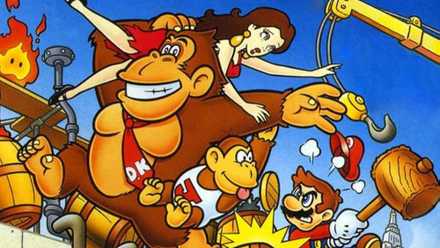



 English (US) ·