


 10 hours ago
1
10 hours ago
1
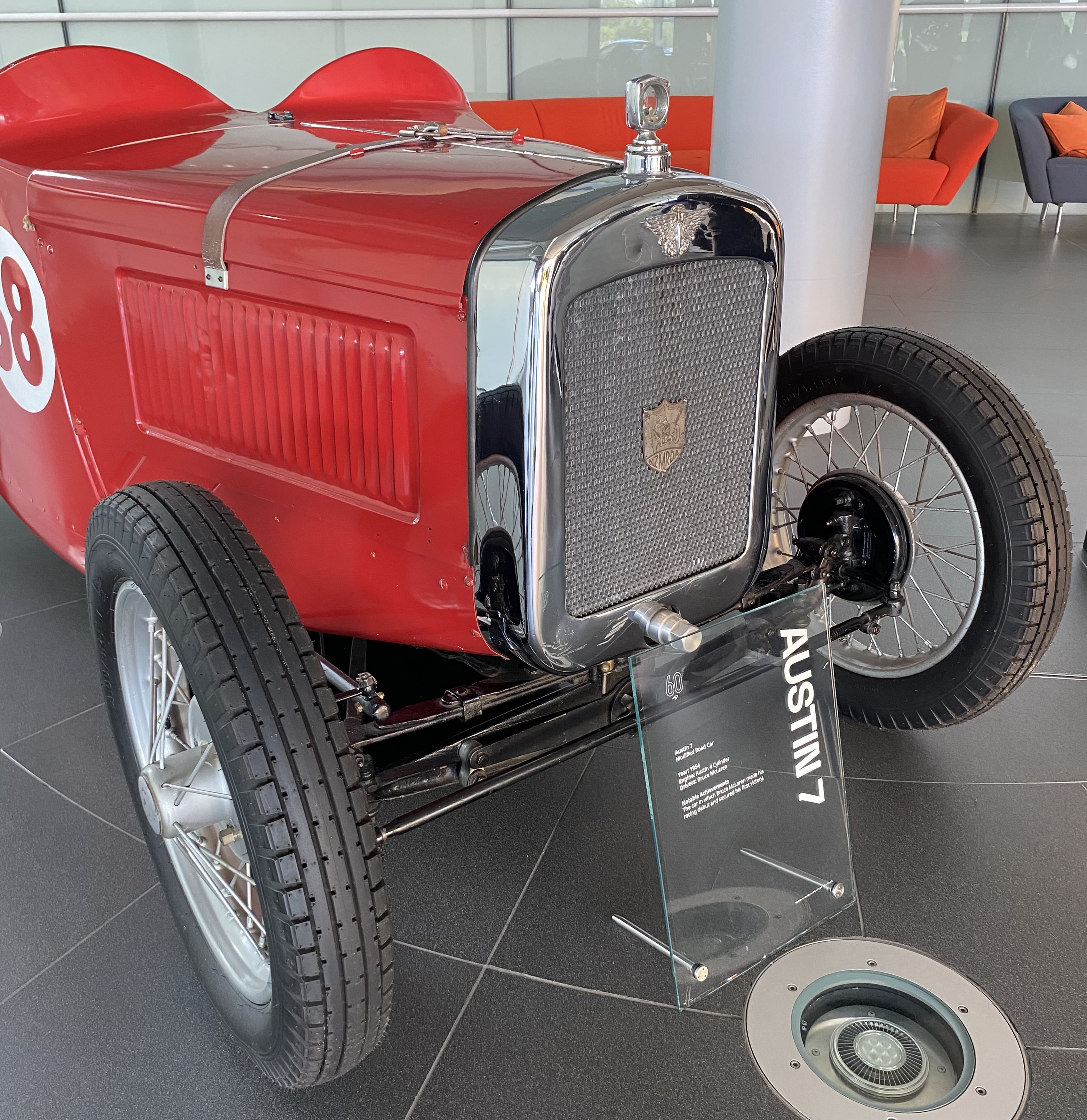
Founded in 1963 and debuting at the 1966 Monaco Grand Prix, McLaren Racing is the second oldest team on the current Formula 1 grid, and has more than 60 years worth of blueprints, specifications, photos, videos, and other treasured heritage media across a range of formats.
But as anyone who grew up recording video on VHS and Betamax cassettes can tell you, watching them back again today requires specialist equipment, and sometimes nothing more than an original VCR will do.
So how can fans new to both Formula 1 and McLaren watch the history of the sport and their team, and how can veteran supporters who have grown up watching the team relive their glory days, if this media is sat in vaults, and slowly degrading?
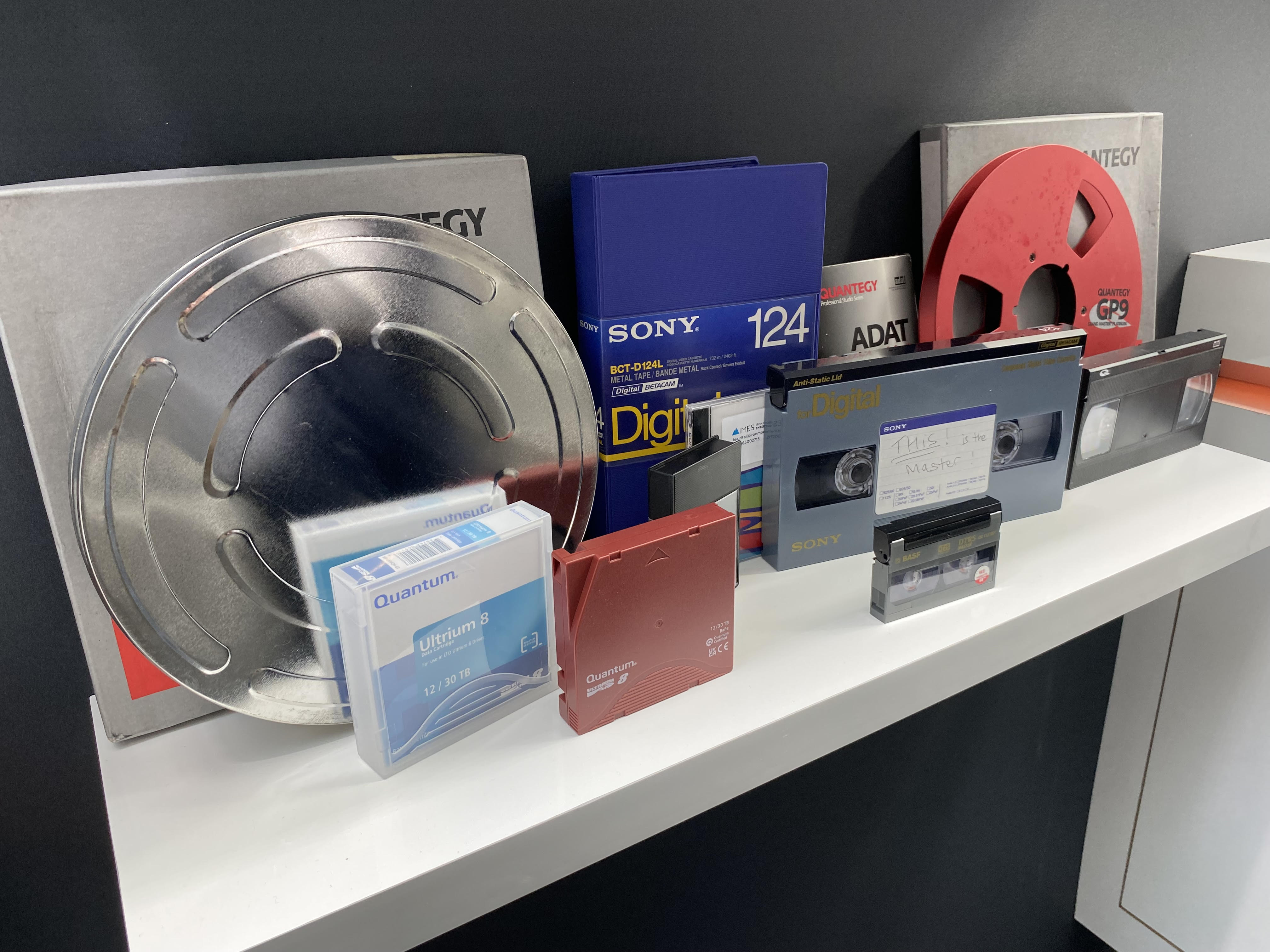
Well, following the announcement that Iron Mountain was becoming an official partner of the McLaren Mastercard Formula 1 Team in October 2025, the two firms have begun using the latter’s AI-enabled digital platform, Insight DXP, to digitize the team's trove of heritage media.
At the McLaren Technology Centre in Surrey, England, I was given firsthand behind-the-scenes insight into how the team is leveraging the Insight DXP platform to not only catalogue heritage media, but also give this old, unstructured data a new lease of life as strategic assets to be used across McLaren.

Restoring an archive of footage from over 60 years of racing is a mammoth task, especially when the media spans several decades of evolution in storage mediums and development types - many of which were not intended to be used for long-term storage.
But that is only half the problem. Once the media has been digitized, it also needs to be cataloged and tagged in such a way that it can be accessed as an easily navigable database for use by hundreds of employees across multiple departments.
Now, as a motorsport fan, an amateur photographer with a passion for shooting on film, a journalist, and an AI-skeptic, I am wary of how AI technology can detract from the creative pursuits. But in order for McLaren to restore and preserve their racing heritage, especially one that spans decades, it wouldn’t be practical or financially viable to do the whole job by hand.
“You needed an army of catalogers," noted Andrea Kalas, VP Media & Archives, Iron Mountain, explaining how large media archives were processed before AI-assisted data platforms became the norm.
“It’s like trying to scan a piece of paper and having to use the original typewriter,” she said, adding that many of the original recording devices are being used in order to help digitise the 17,000 items stored in McLaren’s archival vaults.
There is also the issue of expiry, with many of the rolls of film and magnetic tapes being subject to mould, exposure, and other forms of gradual deterioration over their years of storage.
“There is an incredible amount of knowledge available,” explained Daniël Rood, Director AI, UK/I & Africa, Google Cloud. “It’s there, but not accessible,” he said, referring to just how much data exists in media produced before digital formats became popular in the 1990s, where there is a wealth of insights that cannot be used because the data is not digitized, and unstructured.
This is especially true for McLaren’s engineering department, who have a wealth of old blueprints, specifications, and racing data within arms reach that simply cannot be accessed.
These are exactly the reasons McLaren is utilizing Iron Mountain’s Insight DXP platform to securely archive physical and digital data in a cloud-native format. As for where AI enters the equation, the technology is used to create a navigable database of media that can be searched using natural language prompts in order to surface relevant media.
For the team on the track, the insights are invaluable. In a single race weekend, the team can take thousand of photographs of tires, James Bunbury, Director of F1 Partnerships, McLaren, explains, adding that these photos need to be quickly analysed to check wear and track conditions, which can be the difference between a win and a loss.
In a demonstration of the Insight DXP platform, I saw first hand how the search language can be as broad or specific as you like. From searching for a range of images of Lando Norris hoisting a trophy on the podium, down to locating the individual logos of sponsors across thousands of images from previous seasons - even when they are semi-obscured in the crease of a jacket or on the side of a car travelling at over 200mph.
For a marketing department, this level of granularity is invaluable. “You’re finding things in places you never would have thought,” Kalas said, explaining that the Insight DXP platform helps McLaren to be able “to see exactly what resonates with fans.”
This in turn helps McLaren reach new audiences using footage that was being stored without being used, adding that in the wider business landscape “there are all sorts of ways that your archives can start to pay for themselves.”
But the technology isn’t just for helping McLaren to sort and source marketing content or insights from previous races, it can also be a platform to help fans relive the history of both the team and the sport as a whole.
“New fans want to understand who we are and where we come from,” Bunbury said, explaining that the partnership with Iron Mountain helps McLaren to, “share the history of who we are.”
Rood adds to Bunbury’s point. “Welcoming new fans means it can be quite daunting. It can be quite intimidating,” he says, suggesting that having a platform where new fans can watch a race and ask natural language questions about the rules, the teams, and the history would be transformative to the sport.
As they enter into the second half of the 2026 Formula 1 season, McLaren will be hoping for any extra boost they can to improve their performance, and partners such as Iron Mountain can provide the insight and the edge to help get the team on the podium.






 English (US) ·