


Xbox shouldn't close Ninja Theory, Compulsion, and Double Fine and should never have bought them
 1 hour ago
2
1 hour ago
2
News that Microsoft is considering closing three of its game studios — Double Fine, Ninja Theory, and Compulsion Games — is awful, but what's truly alarming is that it doesn't stop there. According to Bloomberg, "several other studios across the portfolio are at risk of being shuttered." State of Decay studio Undead Labs hasn't shipped a game since Microsoft acquired it in 2018. Obsidian Entertainment is prolific, but last year's Avowed and The Outer Worlds 2 underperformed. Rare had its big bet Everwild cancelled and can't survive on Sea of Thieves forever. At this point in Microsoft's dismally bungled adventures in gaming, it's best to think the unthinkable.
Studios are reportedly being given the option to buy back their independence (or find a new home), but even in a best-case scenario there will be large-scale layoffs. And while the focus is on studios at risk of closure, July is certain to bring mass redundancies right across the Xbox group, at Blizzard, at Activision, at Bethesda. Playground Games is riding high on the success of Forza Horizon 6 right now, but consider that the studio has been making Fable at enormous cost for nine years, and it might be hard for that game to ever make its money back. Nowhere is safe.
Well, maybe one place is safe. The last time this happened, a year ago — I say that as if this were a series of separate events, rather than an ongoing continuum of destructive mismanagement — I wrote about Microsoft's terrible record running game studios. Afterward, an Xbox representative sent me a polite note offering a few counterpoints, including the observation that Minecraft and Mojang Studios have thrived under Microsoft's ownership. I conceded that this was true, and it made me wonder what makes Mojang different.
 Image: Mojang Studios/Xbox Game Studios
It's possible that Minecraft is a lot more like the enterprise software that is at the core of Microsoft's business than the rest of the games Xbox publishes. It's ubiquitous, almost like a utility; it needs careful stewardship but it doesn't require a lot of creative risk. The lion's share of credit for the game's continuing relevance and creative health goes to the players, the creators who make add-ons to sell on the game's marketplace, and the YouTubers who birth new characters, new gameplay styles, new fictions and mythologies. It really is a game as a service. This is the sort of software product Microsoft institutionally understands, and can help maximize the potential of, through initiatives like educational outreach. You know, like an operating system, or a word processor.
This is by no means a dig at Minecraft, which is unquestionably one of the greatest games of all time. But most video games aren't like this. If you want to be high-minded about it, they're art; if you don't, they're entertainment products. Either way, they take a constant supply of human invention and creative risk and turn it into a meaningful connection with players, which then makes money. For some reason, this business model breaks Microsoft's brain, even though its rivals Sony and Nintendo have been demonstrably and quite unmysteriously successful at it for decades.
Microsoft didn't know how to make it work when it bought Compulsion, Double Fine, and Ninja Theory (and inXile, and Undead Labs, and Playground, and Obsidian) in 2018-19. It didn't when it bought Bethesda in 2021 or Activision Blizzard in 2023. This wild acquisition spree was an overcorrection for an earlier retreat from first-party development (itself an overcorrection for the earlier mismanagement of Rare, Lionhead, and Bungie). It was led by former Xbox CEO Phil Spencer, a true enthusiast who knows a good game when he sees one, but who never understood how to make the art and the business match up.
 Image: Double Fine/Xbox Game Studios
If the intention was to claw back valuable exclusives for Xbox, then Double Fine was too small for that task, and Activision was too big. If the intention was to feed the Game Pass beast, it was done heedlessly without knowing if the beast had the appetite to sustain all these studios. (It didn't.) As the Xbox Series consoles failed, Game Pass plateaued, and the Activision deal dramatically altered Microsoft's scale, it became necessary for studios like Ninja Theory and Compulsion to produce high-volume multiplatform hits, which was not what they were bought for, and not what they were equipped to do. Their games underperformed because Xbox Game Studios bosses greenlit them without knowing what they wanted them for.
Xbox shouldn't be shutting these studios down now because it should never have bought them in the first place. I'm sure the paydays for their founders were very nice, but the studios would have been much better off not camping under Xbox’s tent. In the end, Spencer's kindness was cruel.
Enter his replacement Asha Sharma. The new Xbox CEO started with new-broom energy, some fan-service initiatives, and a promise to restore Xbox's "renegade" spirit. Don't make me laugh. Sharma is a sharp knife, as unsentimental as Spencer was indulgent, and she's been sent in to clean up his mess: a bloated, barely profitable business suffering a catastrophic loss of market share in consoles and attempting to compete with Steam on PC. (Good luck with that.) She'll take the heat for these latest cuts, but the blame for them lies with the poor decisions made by Spencer and compounded by his boss, Microsoft CEO Satya Nadella.
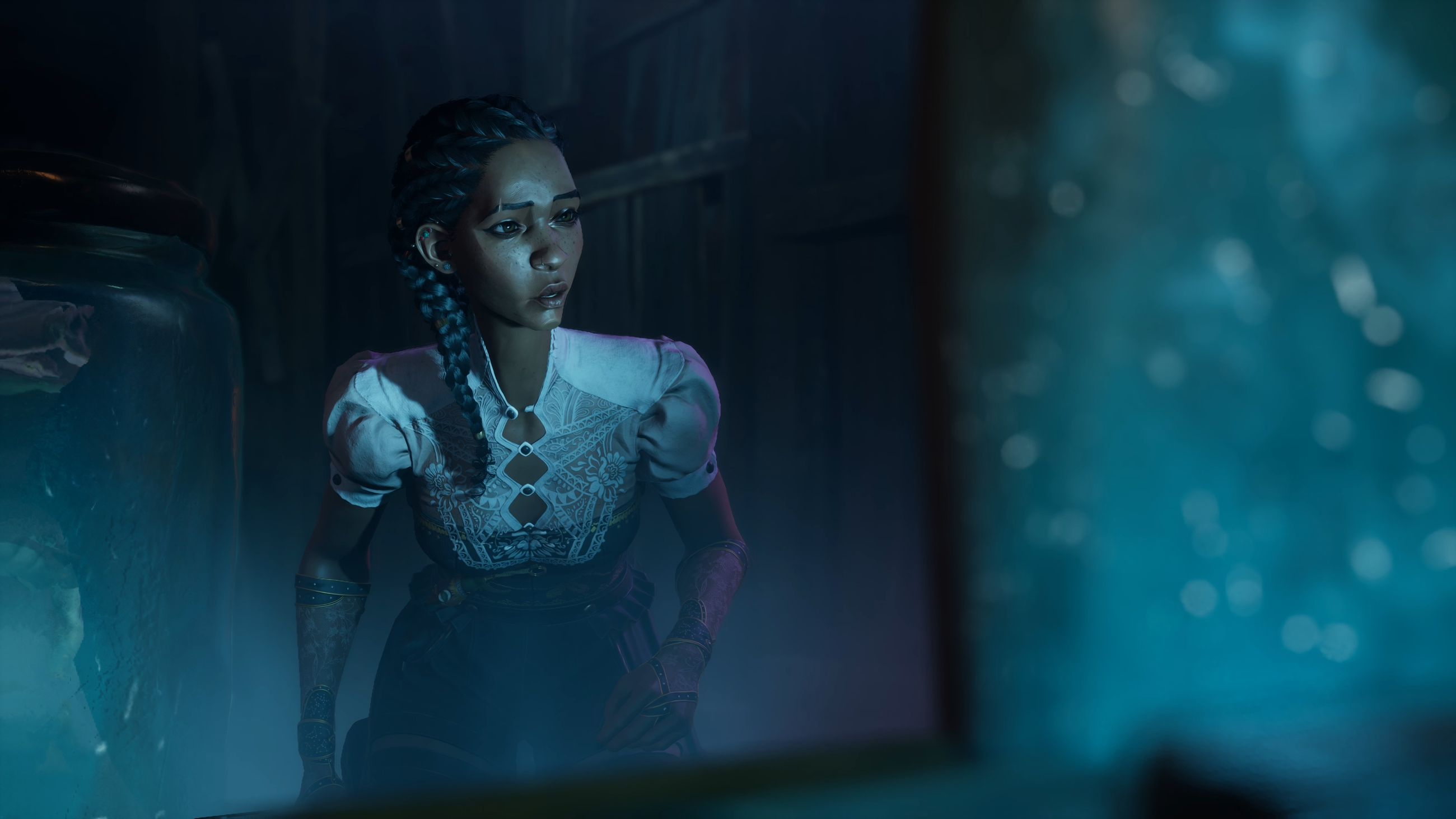 Image: Compulsion Games/Xbox Game Studios
Not that Sharma has the answers, either. Reportedly, her plan is to focus on Xbox's biggest franchises and "fast-track" new Elder Scrolls, Fallout, and Halo games. There's a blunt sense to this — all three franchises have been underused in recent years — that disguises a laughable disconnection from the current realities of game development. You can't "fast-track" a AAA game in 2026 any more than the pharaohs could fast-track the pyramids. These things take an absolute minimum of five years to make, probably more like seven or eight. I don't think Sharma or her bosses have that kind of patience.
Blockbuster games are suffering a dire sustainability crisis that mirrors the sustainability crisis in gaming hardware wrought by memory shortages (for which Microsoft, along with its AI datacenter rivals, can take the blame). They will remain an important part of the game business, of course, but no publisher can rely on them alone, and many are now looking at ways to scale down. Mid-size AA productions — not unlike those made by Double Fine, Compulsion, and Ninja Theory, albeit more commercial — are starting to break through. Clair Obscur: Expedition 33 and Subnautica 2, to name just two, are massive hits. And they were both available on Game Pass on day one, without Microsoft having to buy, ruin, and shutter the studios that made them.
Only making big, safe bets isn't the answer to Xbox's woes. Sharma doesn't have a lot of options. Sure, she has to make cuts, and she needs big games. But more than that, she needs a whole new way of thinking about the game business that isn't mired in a quarter-century of wrongheaded decisions and strategic confusion. Reports have suggested that Microsoft is considering spinning off or even selling Xbox. It might be for the best, before any more collateral damage is done. Microsoft has never seemed to understand why it was making video games. Perhaps it never will.
 Related
- Homepage
- Entertainment
- Xbox shouldn't close Ninja Theory, Compulsion, and Double Fine and should never have bought them






 English (US) ·